
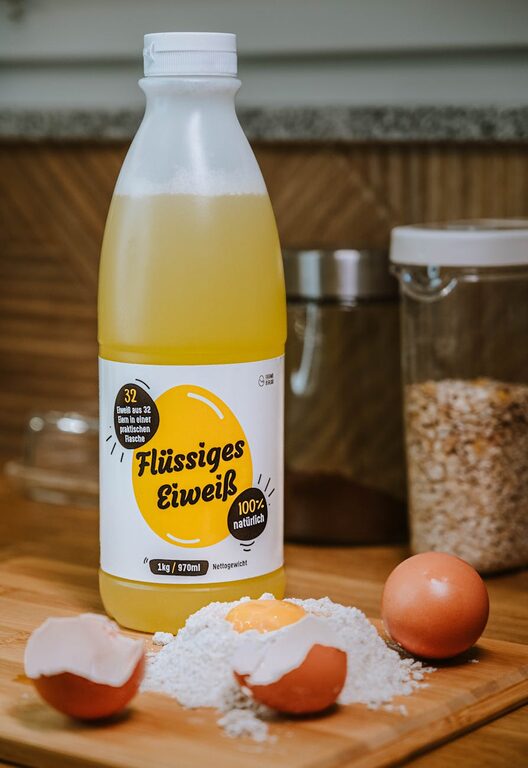
When it comes to planning meals, the pantry often holds a treasure trove of ingredients that can be turned into satisfying dishes. Learning how to plan meals using pantry staples not only saves time and money but also reduces food waste and minimizes last-minute trips to the grocery store. Whether you’re a busy professional, a student, or simply looking to streamline your cooking routine, meal planning with pantry staples is a practical skill to have.
In this post, we’ll explore how to assess what you have, organize your pantry, and create meal plans that make the most of those shelf-stable ingredients.
Understanding Your Pantry Staples
Pantry staples are non-perishable or long-lasting ingredients that form the foundation of many recipes. Common pantry staples include:
– Grains: rice, pasta, quinoa, oats, couscous
– Canned goods: beans, tomatoes, tuna, coconut milk
– Dry goods: lentils, flour, sugar, baking powder
– Oils and vinegars: olive oil, vegetable oil, apple cider vinegar
– Herbs and spices: salt, pepper, garlic powder, dried oregano, chili flakes
– Miscellaneous: nut butters, broth cubes, soy sauce
Having these basics stocked means you’re well-positioned to whip up a range of meals without needing fresh ingredients immediately.
Step 1: Take Inventory of Your Pantry
Start by taking a good look through your pantry. Pull out everything and check:
– Expiration dates: Use or donate items that you’re unlikely to use before they expire.
– Quantities: Note how much you have of each item to avoid unnecessary purchases.
– Condition: Discard anything damaged or contaminated.
Keeping an updated list of pantry staples will help you know what you have on hand and identify gaps.
Step 2: Organize Your Pantry for Easy Access
An organized pantry encourages cooking and meal planning. Consider these tips:
– Use clear containers for items like flour, sugar, and grains to keep them fresh and visible.
– Group similar items together such as canned goods, baking supplies, and spices.
– Label shelves or containers to help you find things quickly.
– Store herbs and spices in a cool, dark place to preserve flavor.
Step 3: Plan Meals Around Pantry Staples
With a clear inventory and an organized pantry, you can start building meals. Here are tips for meal planning using pantry staples:
Choose a Base Ingredient
Pick a main pantry staple as your dish’s foundation, such as rice, pasta, or lentils. This helps simplify planning and grocery lists.
Think in Terms of Meal Types
– Soups and stews: Use canned tomatoes, beans, broth, and spices.
– Pasta dishes: Combine pasta with canned tuna, olive oil, garlic, and herbs.
– Rice bowls: Add canned beans, sautéed vegetables, and a drizzle of soy sauce.
– Salads: Mix cooked grains with canned vegetables, nuts, and dressings made from pantry oils and vinegars.
– Baked goods and snacks: Use oats, flour, nut butters, and dried fruit.
Mix and Match for Variety
Rotate your staples by trying different combinations. For example, switch between black beans, chickpeas, or lentils; or alternate between tomato-based sauces and olive oil dressings.
Step 4: Incorporate Fresh Ingredients When Possible
While pantry staples are versatile, adding fresh ingredients like onions, garlic, or herbs can elevate your dishes. Even small amounts of fresh produce can transform a meal.
If fresh ingredients aren’t available, many dried or canned options work well in a pinch (e.g., dehydrated onions or frozen vegetables).
Step 5: Sample Weekly Meal Plan Using Pantry Staples
Here’s a simple example of a one-week meal plan focused on pantry ingredients:
– Monday: Lentil stew with canned tomatoes and spices; rice on the side
– Tuesday: Spaghetti aglio e olio (pasta with garlic and olive oil) with chili flakes
– Wednesday: Chickpea curry using canned chickpeas and coconut milk served over quinoa
– Thursday: Tuna salad with canned tuna, beans, olive oil, and vinegar dressing
– Friday: Vegetable fried rice with leftover rice, soy sauce, and canned vegetables
– Saturday: Oatmeal with dried fruits and nut butter for breakfast; tomato soup for dinner
– Sunday: Homemade flatbread with flour and olive oil, paired with bean stew
Step 6: Tips for Keeping Pantry Meal Planning Sustainable
– Rotate pantry staples: Use older items first to avoid spoilage.
– Freeze bulk staples if possible to extend shelf life.
– Keep a shopping list of pantry-friendly items you frequently use to replenish easily.
– Try new recipes that use your staples creatively to keep meals exciting.
Conclusion
Planning meals from pantry staples is a smart way to simplify your cooking routine, save money, and reduce stress in the kitchen. By understanding what you have, organizing your space, and using the staples in creative ways, you can turn a handful of ingredients into delicious, satisfying meals every day. Give pantry meal planning a try—you might be surprised at how easy and rewarding it is!